
The Operating Model for AI-Powered Product Teams
Most product organizations have adopted AI tooling without redesigning the operating model that governs how teams use it. This article introduces Directed Autonomy — a framework for aligning empowered product teams with the governance infrastructure that AI-accelerated conditions require.

How Product Leaders Make Prioritization Decisions Under Uncertainty
Most prioritization failures are not framework problems. They are infrastructure problems: missing constraints, unowned tradeoffs, and decisions that were never specific enough to learn from. This article explains how senior product leaders actually make defensible calls when data is incomplete and the stakes are real.

When Static Product Roadmaps Stop Scaling: A Guide to Product Roadmapping Tools
Most product teams don't outgrow their roadmap tool because it lacks features. They outgrow it because a static document can't coordinate a growing organization. This guide covers the structural signals that indicate it's time to invest — and a direct review of five platforms worth evaluating.

Building Product Review Sessions That Scale Speed and Clarity
As product teams grow, decision quality fragments. This guide shows Heads of Product how to structure Product Review sessions that reduce waste, surface tradeoffs early, and scale speed without adding bureaucracy.

The Hidden Cost of “Alignment” When Product Teams Avoid Real Tradeoffs
Alignment can look productive while masking the absence of real strategic choice. This article examines how avoiding explicit tradeoffs dilutes focus, expands scope, and quietly weakens product strategy.

The Cost of Treating Product Managers Like Project Managers
Many organizations unintentionally turn Product Managers into Project Managers. This article explores why role confusion happens, how it erodes strategy and talent, and what treating PMs as product leaders actually requires.

How the PM and Product Designer Relationship Is Shifting With AI
AI prototyping tools have compressed the artifact gap between product managers and designers — but not the judgment gap. This article explains what that shift requires from product leadership and how to structure the collaboration before friction surfaces.
When Customer Feedback Fails to Influence Product Decisions
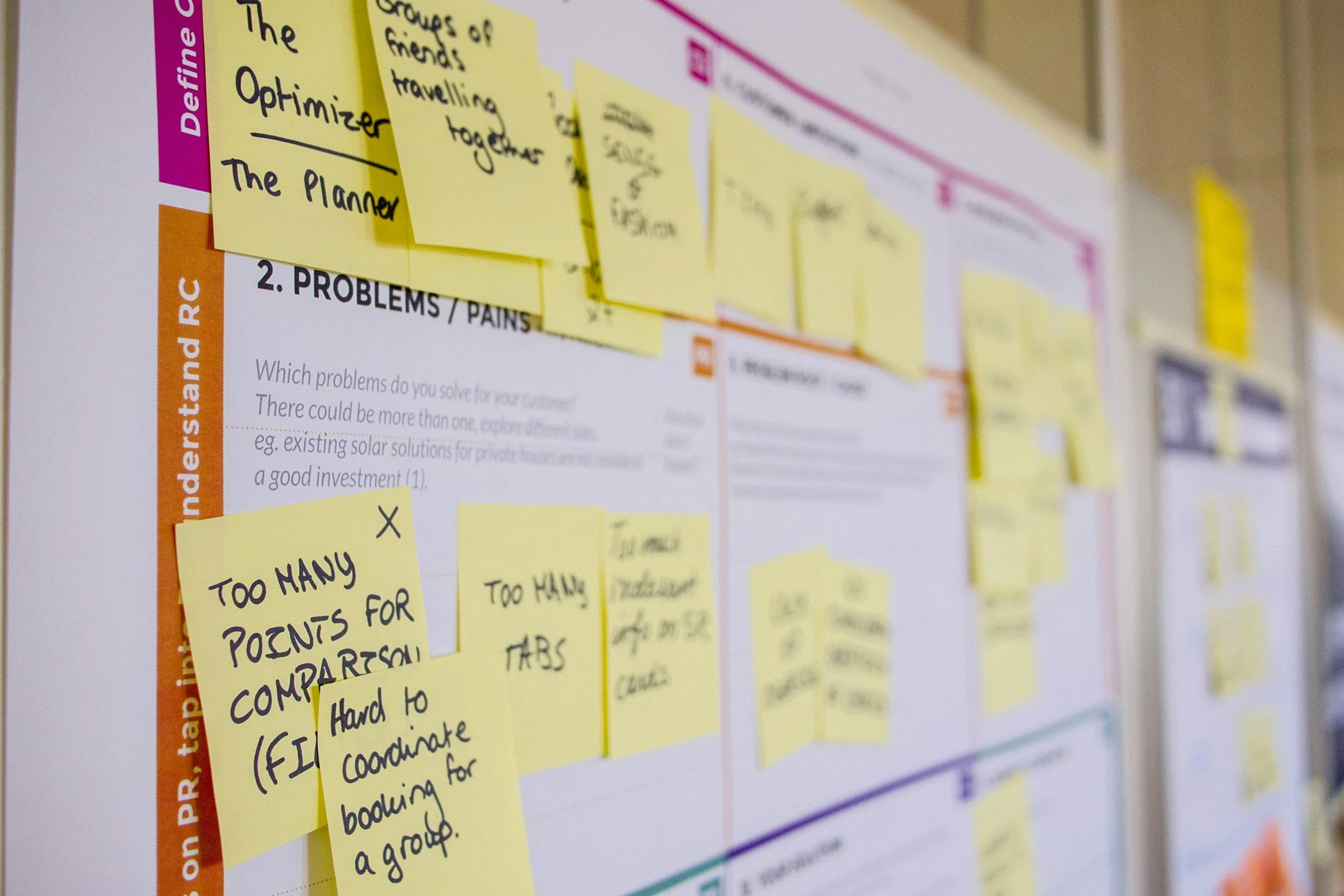
Customer feedback is everywhere, yet decisions rarely change. This piece explores how discovery turns into theater, insight gets distorted, and what it actually takes for feedback to shape strategy.
How to Structure a High-Performing Product Organization That Scales
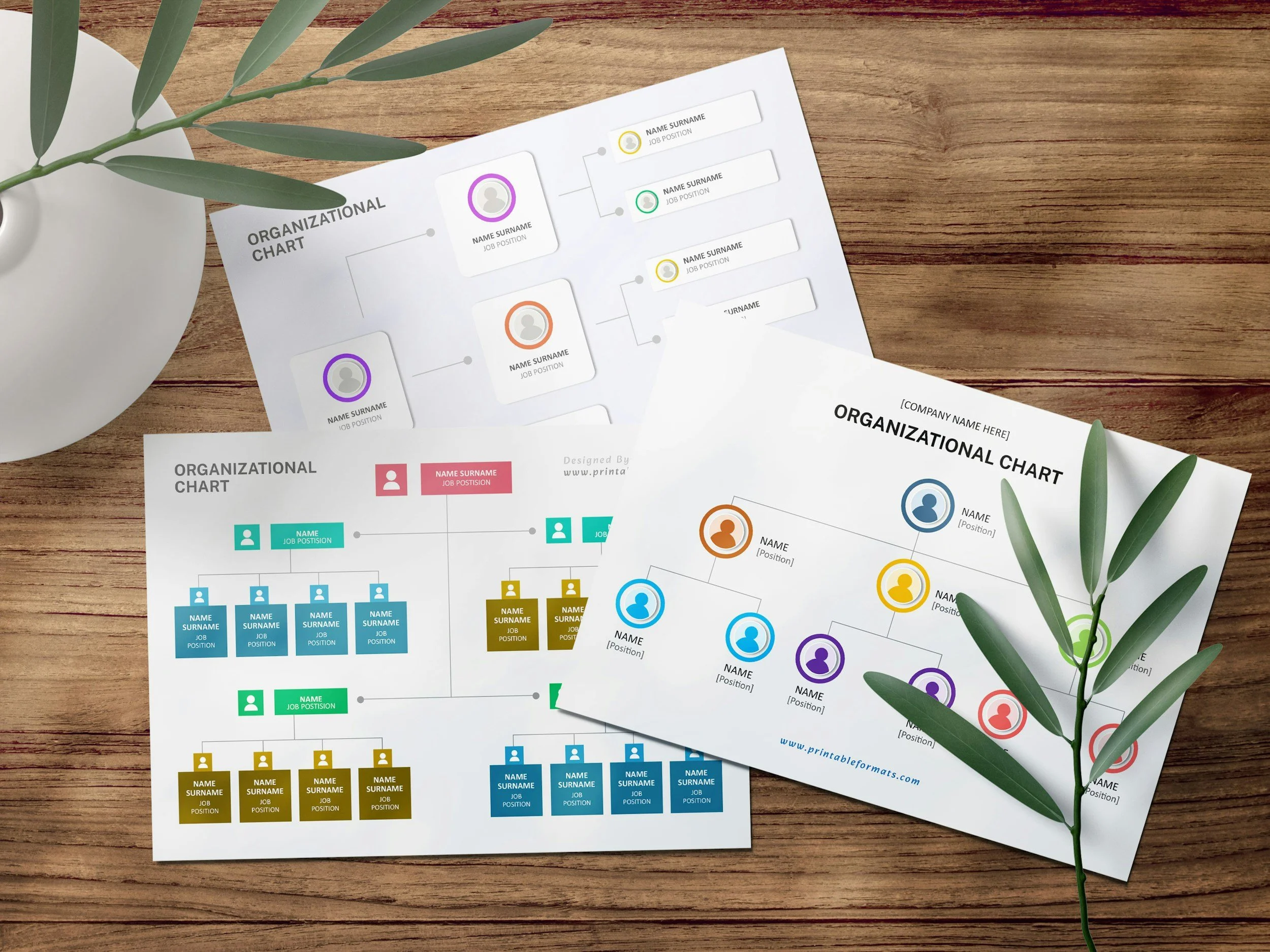
Most product organizations are not designed — they are accumulated. This article covers how to design a product org at each growth stage, where scaling companies consistently get it wrong, and the structural elements that determine whether an org chart actually functions.

Why Most Product Strategies Fail Before Teams Start Building
Product strategy often looks aligned on paper but weakens before execution begins. This article explains why strategy fails early and how to turn it into an operating system, not a document.

Why Product Manager Careers Stall After Senior PM
Many PM careers stall after Senior PM, not from lack of growth but shifting expectations. This breaks down why that happens and what real progression beyond Senior PM looks like.

The Books That Shaped How I Think as a Product Leader
The books that shaped how I make decisions, lead teams, and think about strategy. Recommended through real product challenges leaders face, not abstract frameworks.

When Roadmaps Stop Working: Why Leadership Doesn’t Trust the Plan
Roadmaps don’t fail because teams can’t plan. They fail when strategy is implicit, discovery is undervalued, and customer reality never makes it into the plan.

Hiring Your First Product Manager: What Most Get Wrong
Companies don’t fail by hiring too early, but by hiring the wrong profile for their stage. This explains common mistakes and what first PMs are realistically expected to fix.

Product–Market Fit Isn’t Enough: Why Adoption and Retention Stall
Teams don’t stall because they never found product–market fit. They stall because they assumed it held and stopped questioning whether customers were still getting value.